
General Updates
New ACJV Video! Healing the Salt Marsh
We are excited to share a new video, Restoring Salt Marsh Ecosystems in the Atlantic Coast Joint Venture. This was produced in partnership with the Cornell Lab of Ornithology and showcases a variety of salt marsh restoration work across the Northeast. The video focuses on how ACJV partners are working to heal historic damage to salt marshes and build resiliency to sea level rise. Please share it widely!
Staff Updates
We are pleased to announce that Pam Loring will be officially joining the ACJV Team as the North Atlantic Coordinator! Many of you already know Pam as she has been detailing in this position for the past year, serving as our NAWCA and Black Duck lead. She has also been doing an amazing job analyzing a mountain of Black Rail Acoustic Recording Unit (ARU) data. We are beyond excited to have Pam continue in this work as a permanent member of our team! If you’d like to reach out, Pam can be reached at pamela_loring@fws.gov.
Tech Week Pilot a Success!
This spring, we piloted a new structure – ACJV Tech Week – to better integrate the work of our technical partners with the efforts of the ACJV Management Board. This structure is loosely modeled after the Atlantic Flyway Council meetings. Each of our flagship species working groups met in March to discuss technical needs, collaborative opportunities and requests of the Management Board. They then reported out to the Board during our Spring Management Board meeting in Beaufort, NC at the end of March. The pilot was a great success and the Board was very happy to have the opportunity to hear from our technical representatives and to discuss opportunities to help advance coastal marsh conservation work. This structure will now be an annual Spring feature of the ACJV calendar!
Notes from each working group can be found at the following links:
Saltmarsh Sparrow Working Group
Board Leadership Changes
At our March Management Board meeting, Brad Howard (NC Wildlife Resources Commission) completed his term as Chair and our former vice-chair, Sarah Fleming (Ducks Unlimited) moved into the Chair position. The Board also elected a new vice-chair, Laurel Barnhill (FWS), who will now begin a new 2-year term. Brad will continue to bring his experience and knowledge to the partnership through continued service on the ACJV Executive Committee. We could not be happier to have these leaders continuing to guide the ACJV partnership!
Coastal Marsh Project Database
Our Coastal Marsh Project Database is up and running! Please visit our overview page to see if your restoration project is in the database, and if not, add an entry! Check out our how-to webinar for guidance in getting started in our database.
Flagship Updates
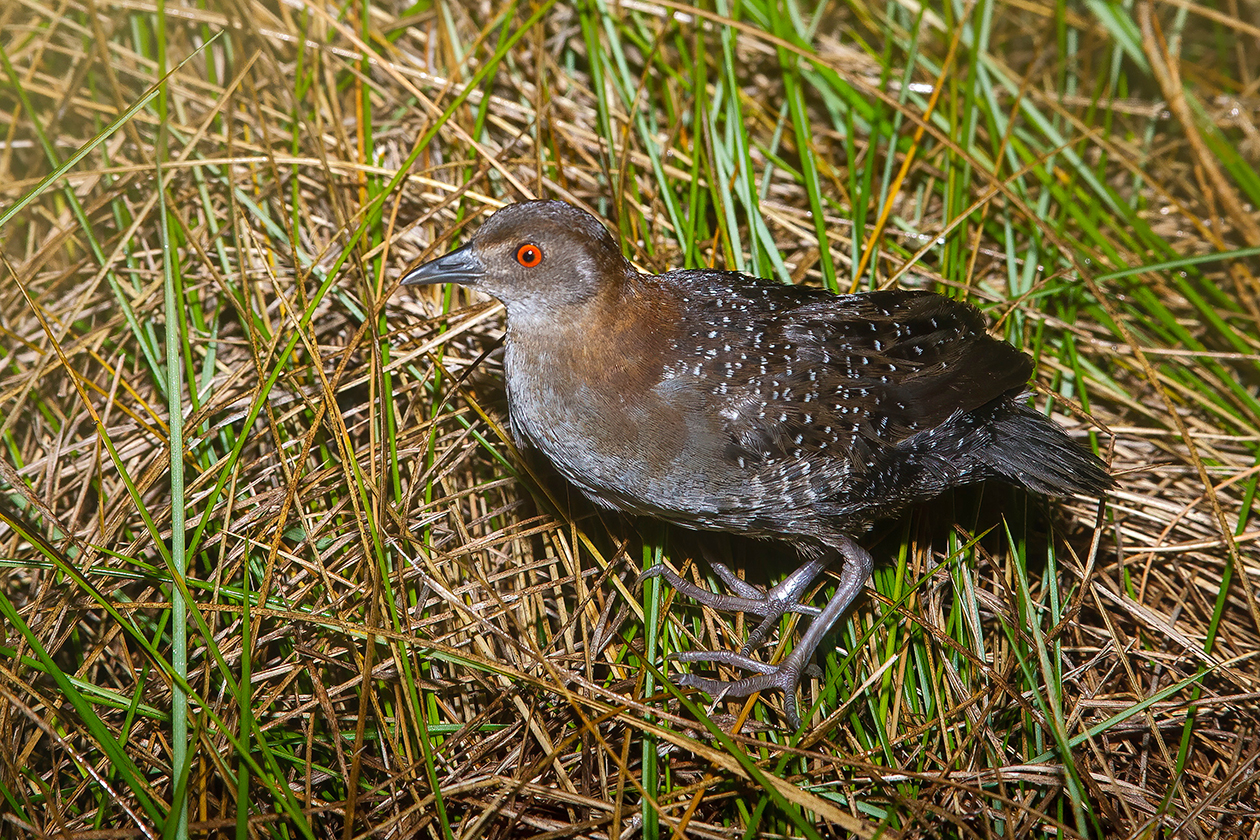
Black Rail
Black Rail Acoustic Recording Unit Analyses
We are continuing to assist partners with analyzing Autonomous Recording Unit (ARU) data for a variety of Black Rail projects across the species’ range. We are currently collaborating with Dr. Abby Blake-Bradshaw at the Forbes Biological Station on a manuscript that synthesizes results from multiple states to help inform sampling designs. In addition, we are working directly with partners from New Jersey to Florida to address backlogs of unanalyzed data and to provide technical assistance for those conducting their own ARU analyses. This collective effort is helping to accelerate our understanding of population status, trends, distribution, and habitat relationships for this cryptic species. ACJV staff also are participating in a multi-partner effort to develop standardized protocols for ARU surveys for Black Rails.
Black Rail Management Priorities – DE and NJ Workshops
Over the last several years, the ACJV has been working with partners to identify priority marshes and priority site-specific management actions for both Saltmarsh Sparrows and Black Rails. In 2025, we completed Habitat Management Priorities for the Eastern Black Rail in Florida and an associated online mapper. Over the last few months, we held two workshops each with Delaware and New Jersey partners to identify Black Rail priorities, with more workshops to come later this year. Prioritization efforts in additional states will follow over the next year.
Black Rail Working Groups
In addition to the ACJV-wide Black Rail Working Group, ACJV staff help to organize state working groups in Florida, South Carolina, and North Carolina. These groups support partners through information sharing, partnership-building, and coordination of conservation actions for this secretive imperiled species. Recent meetings included the Florida (3/2/2026) and South Carolina (4/14/2026) groups. If you are interested in participating or learning more, please contact Craig_Faulhaber@fws.gov.
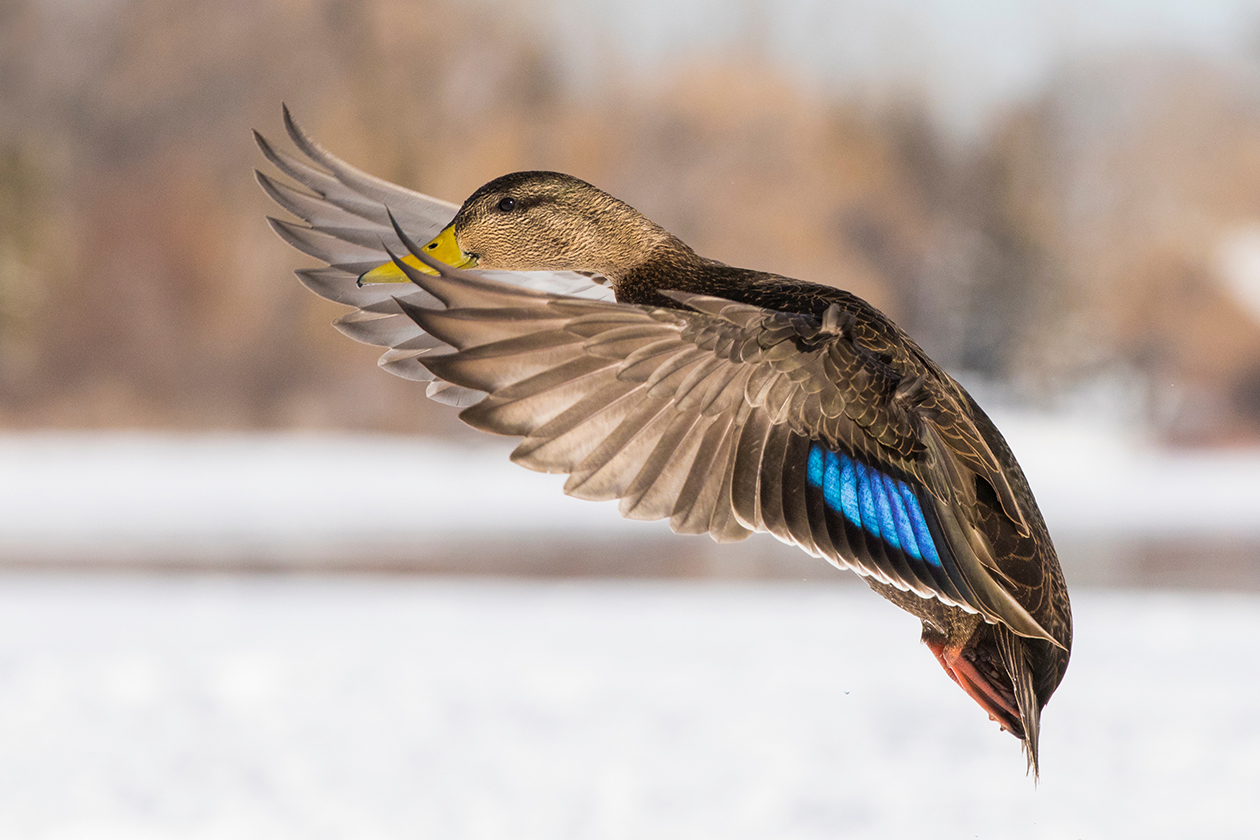
Black Duck
Mapping Impoundments
The ACJV has released a new interactive Impoundment Mapping Tool in response to a need identified by the Black Duck Working Group for a regional layer of waterfowl impoundments across the ACJV geography. The tool allows users to view the impoundment information compiled to date and easily digitize new locations and associated metadata for sites not yet represented. This effort will support the development of a comprehensive regional layer of waterfowl impoundments to better inform habitat conservation and management priorities. We will use the tool to collect information from partners throughout the summer and anticipate releasing the finalized regional impoundments layer publicly in the fall. If you have any questions or would like to connect, please contact pamela_loring@fws.gov.
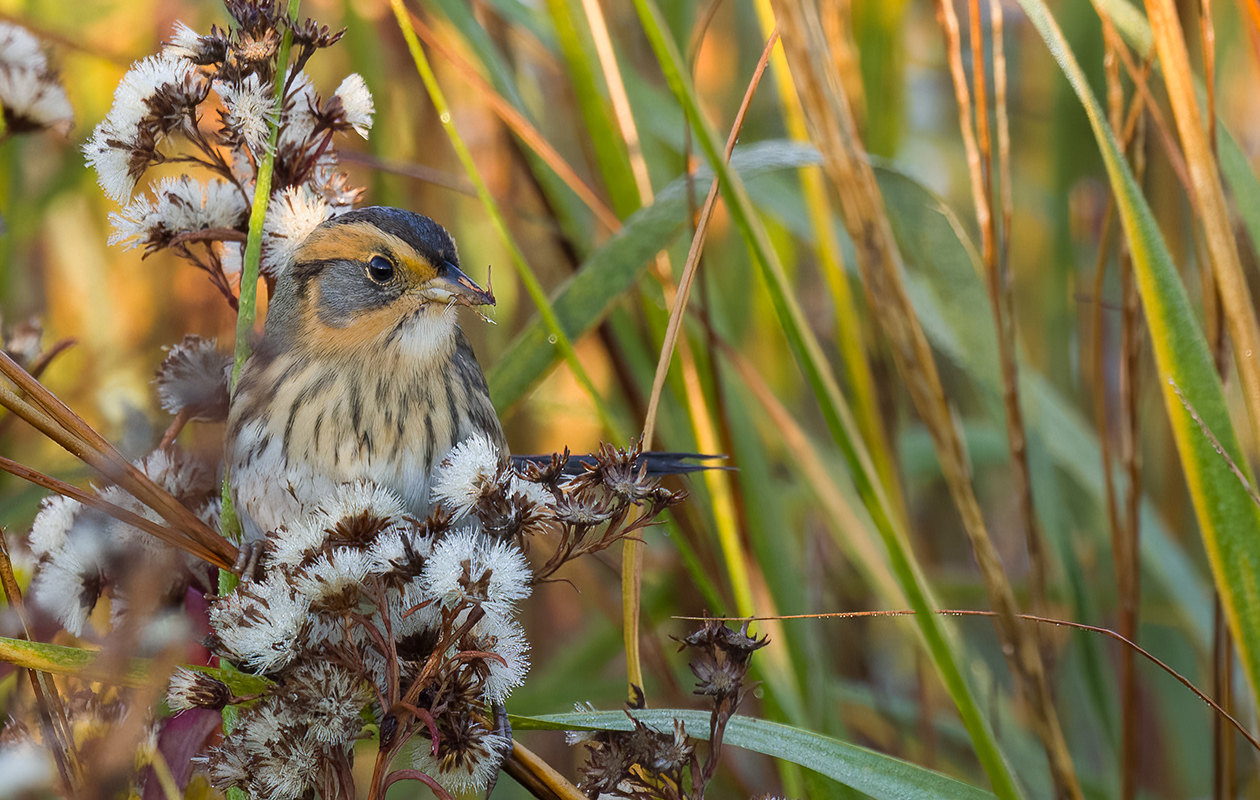
Saltmarsh Sparrow
Exploring the relationship between sparrows and salt marsh restoration work
The National Fish and Wildlife Foundation (NFWF) through the Delaware Watershed Conservation Fund has funded much-needed monitoring work now underway for the Saltmarsh Sparrow across its breeding range. The University of New Hampshire is leading work to assess how small microtopography features created during restoration work are used by sparrows and other marsh birds. SUNY-ESF is leading work to understand bird response to hydrological repair of the marsh platform (e.g. runnelling, ditch remediation). Both projects are being conducted through the Saltmarsh Habitat and Avian Research Program (SHARP).
Ecosystem-Level Work
The ACJV is a partner in larger efforts to conserve salt marshes, including the South Atlantic Salt Marsh Initiative (SASMI), whose State Implementation Teams recently completed state-level “roadmaps.” Visit the links below for more information or to find out how to get involved.
- North Carolina Roadmap
- Contacts: Claire Rapp (clairer@nccoast.org) and Jacob Boyd (jacobb@nccoast.org) of North Carolina Coastal Federation
- South Carolina Roadmap and Executive Summary
- Contact: Susanna Hopkins (susanna.hopkins@tnc.org) of The Nature Conservancy
- Georgia Roadmap and Executive Summary
- Contact: Courtney Reich (creich@georgiaconservancy.org) of Georgia Conservancy
- Florida Roadmap and Executive Summary
- Contact: Heather Nagy (hnagy@nflt.org) of North Florida Land Trust
Funding
Great Lakes Restoration Initiative (GLRI)
Calling partners in NY and PA! The Notice of Funding Opportunity (NOFO) is now available for the GLRI Joint Venture Habitat Restoration and Protection program! This competitive funding opportunity supports projects that protect, restore, or enhance habitat for native Great Lakes fish and wildlife, particularly migratory birds, within the Great Lakes coastal zone. The maximum award is $300,000, and a 25% non‑federal match is required.
Proposals are due by July 6th. For full program details you may locate the announcement by searching with the Funding Opportunity Number F26AS00094 at GrantSolutions.gov or Grants.gov, or find directly at this link.
North American Wetlands Conservation Act (NAWCA)
On 5/19/2026, the Migratory Bird Conservation Council approved four of seven projects submitted by ACJV partners for the first round of fiscal year 2026 Standard Grants. These projects will conserve over 45,000 acres of habitat, and the $11.6M NAWCA investment will leverage over $25M in partner match. The second round of fiscal year 2026 Standard Grants just closed, but there is still time to submit proposals for the fiscal year 2026 NAWCA Small Grants (due June 25). You can find more information at Grants.gov by searching for Funding Opportunity Number F26AS00007, or you can visit this link. Please reach out to Craig_Faulhaber@fws.gov or Pamela_Loring@fws.gov if you need assistance with proposal development.
National Coastal Wetland Conservation Grants (Coastal Grants)
The NOFO for Coastal Grants is now available, with proposals due July 9th. Coastal Grants provide up to $1M for wetland protection, enhancement, or restoration. Only State Agencies are eligible to apply, but funding can be passed through to a non-governmental organization. The program has a 25% non-federal match requirement. You can find more information at Grants.gov by searching for Funding Opportunity Number F27AS00007, or you can visit this link.